Teaching · Central Ohio
Weekly in-person instruction for junior golfers.
Full swing, short game, putting and course management, taught one-on-one and connected to what your player's scores say matters most.
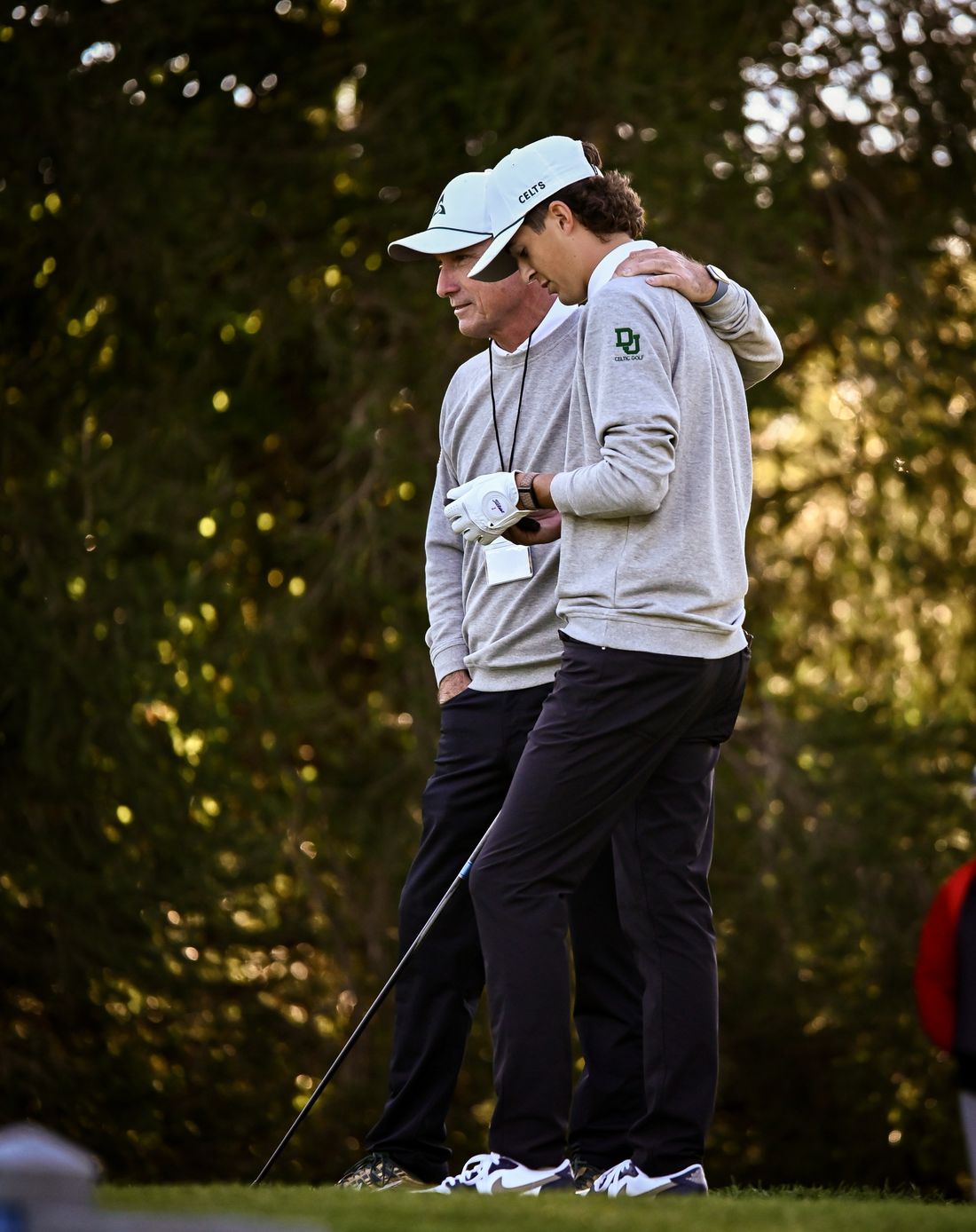
Full swing, short game, putting and course management, taught one-on-one and connected to what your player's scores say matters most.
Most of what I do works alongside your player's swing coach, wherever you live. But for families in Central Ohio, I also teach. Weekly, in person, one-on-one, for junior golfers only.
I started as a teaching professional at Duke University Golf Club under PGA Master Professional Ed Ibarguen, before I ever coached a college team. Teaching is where I began, and 25 years later it's still the part of the week I look forward to most.
The difference is what the lesson is connected to. A lesson from me is built around what your player's stats say is costing them strokes, not around what looks pretty on video. The swing, the short game, putting and course management all get worked on in proportion to what actually matters for their scores.
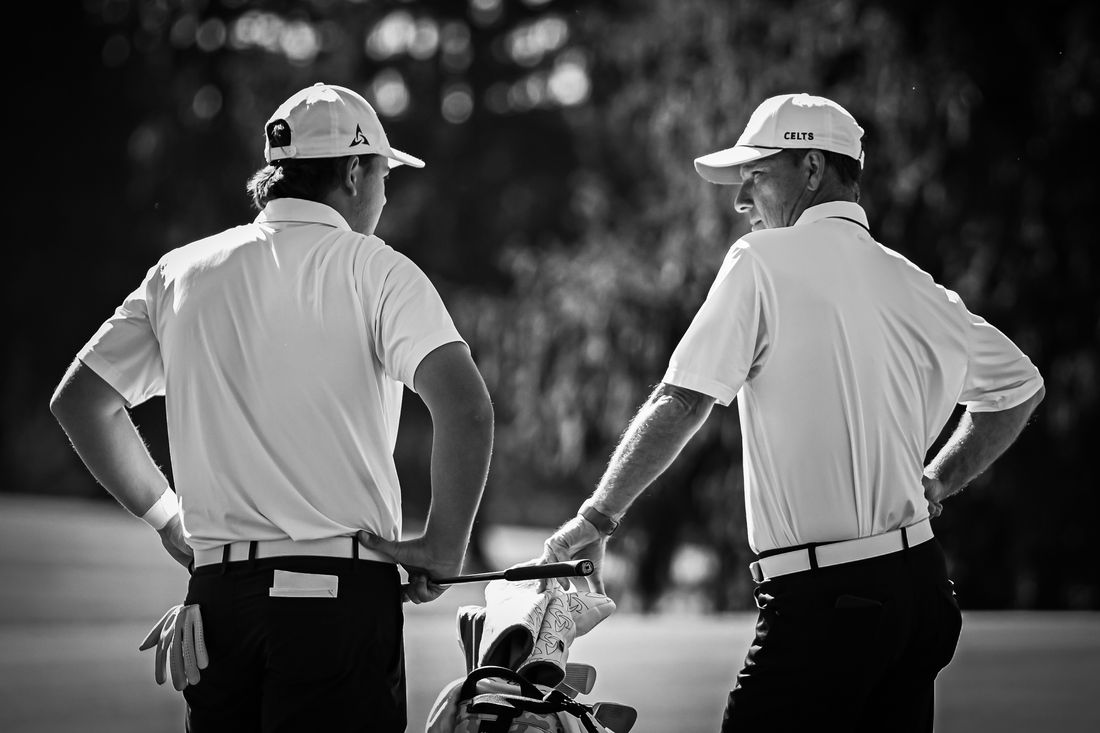
The approach in Becoming Elite is the approach on the lesson tee. Six words cover it.
The swing is one piece. I teach the whole player: technique, short game, putting, course management, practice habits, the mental game, and the athlete. Technique is never king; it serves the score.
Players learn fastest when they feel good about what they're building. We find what works, do more of it, and fix what costs strokes without tearing anything down.
Kids who enjoy practice keep practicing. Lessons have games, scoring and consequences, because a rep that counts teaches more than a hundred that don't.
I don't teach a model swing. I teach your player's swing to produce a reliable ball flight they can trust under pressure. Repeatable beats pretty.
One thing at a time, explained in words a 12-year-old understands. If a player can't say what they're working on and why, the lesson hasn't worked yet.
Launch monitor and video on the range, strokes-gained stats from every round, and the PGIC Practice Lab between lessons, so we work from what the numbers say rather than what the swing looks like.
One in-person lesson every week, about an hour, at a course in Central Ohio.
Full swing, short game, bunker play and putting, in proportion to what the numbers say your player needs.
We track your player's rounds, so lessons go where the strokes are being lost, not where it's most fun to practice.
Every lesson ends with a plan for the week between lessons, so the hour isn't wasted by the next seven days.
On-course sessions through the season: targets, decisions, and how to avoid the big numbers.
Before key events, lessons shift to preparation: course strategy, pressure practice, and the routine.
Guidance on fitting, loft gapping and when it's time to change something.
A short note after each lesson so you know what was worked on and what to look for.
I don't teach adults. 25 years, junior golfers only.